
In a move reflecting escalating regional tensions, the U.S. Federal Aviation Administration (FAA) has issued a security advisory — effectively a Notice to Air Missions (NOTAM) — warning operators to exercise caution when flying in or over Venezuelan airspace. The alert comes as military activity around Venezuela increases, raising concern for civilian aviation safety.
Key Details of the Advisory
The NOTAM in question is A0012/25, which applies to the Maiquetía Flight Information Region (FIR), Venezuela’s primary air traffic control area.
The FAA warns that unspecified “threats could pose a potential risk to aircraft at all altitudes,” including during overflight, departures, arrivals, and while on the ground.
The advisory is active for 90 days, extending from November 21, 2025, through at least February 19, 2026.
Operators are required to provide 72 hours’ advance notice of planned flights in the region to the FAA via a dedicated email address (faawatch@faa.gov).
Flight crews and operators are also asked to report any security incidents or anomalies to the FAA’s Washington Operations Center.
What’s Driving the Warning
The FAA’s alert doesn’t exist in a vacuum — it comes against a backdrop of heightened U.S.-Venezuelan military tension:
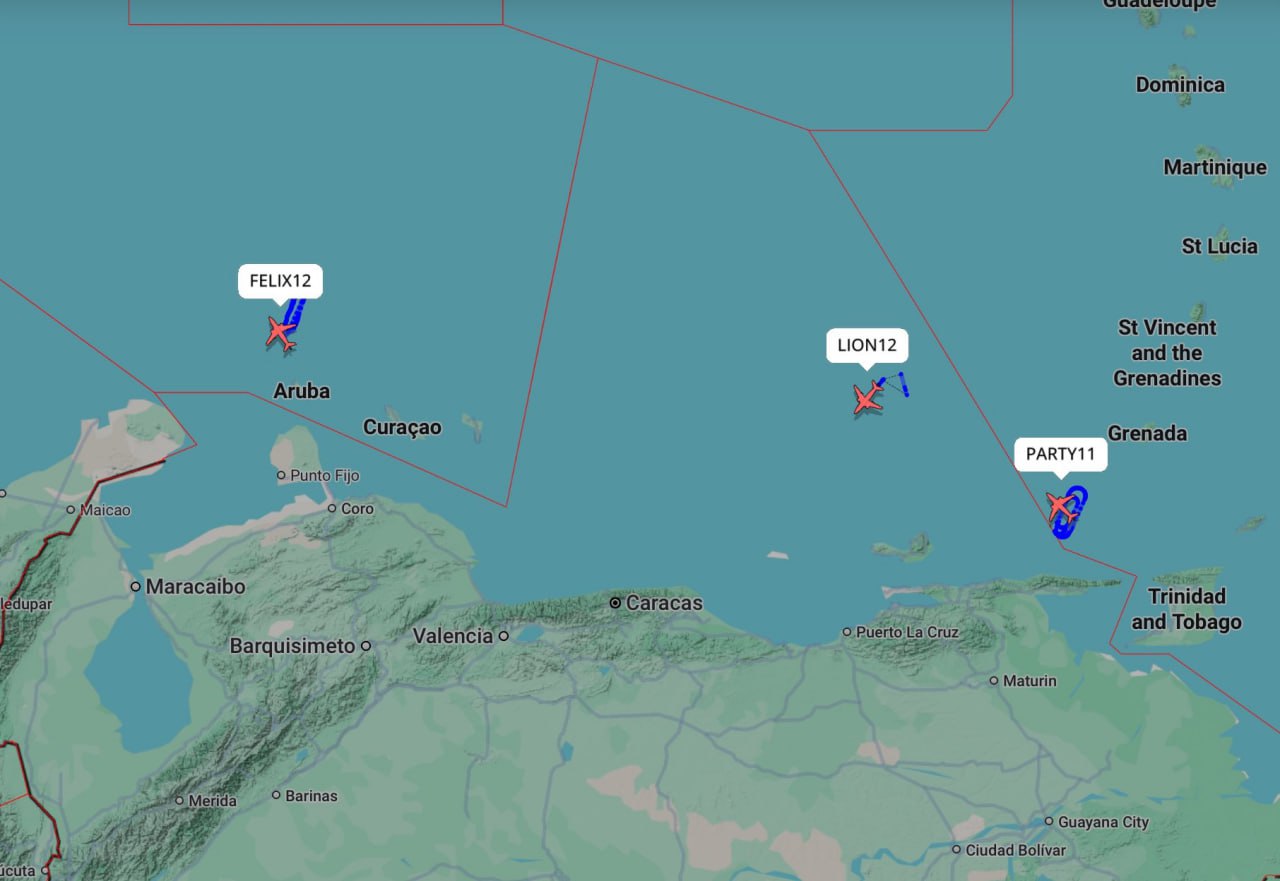
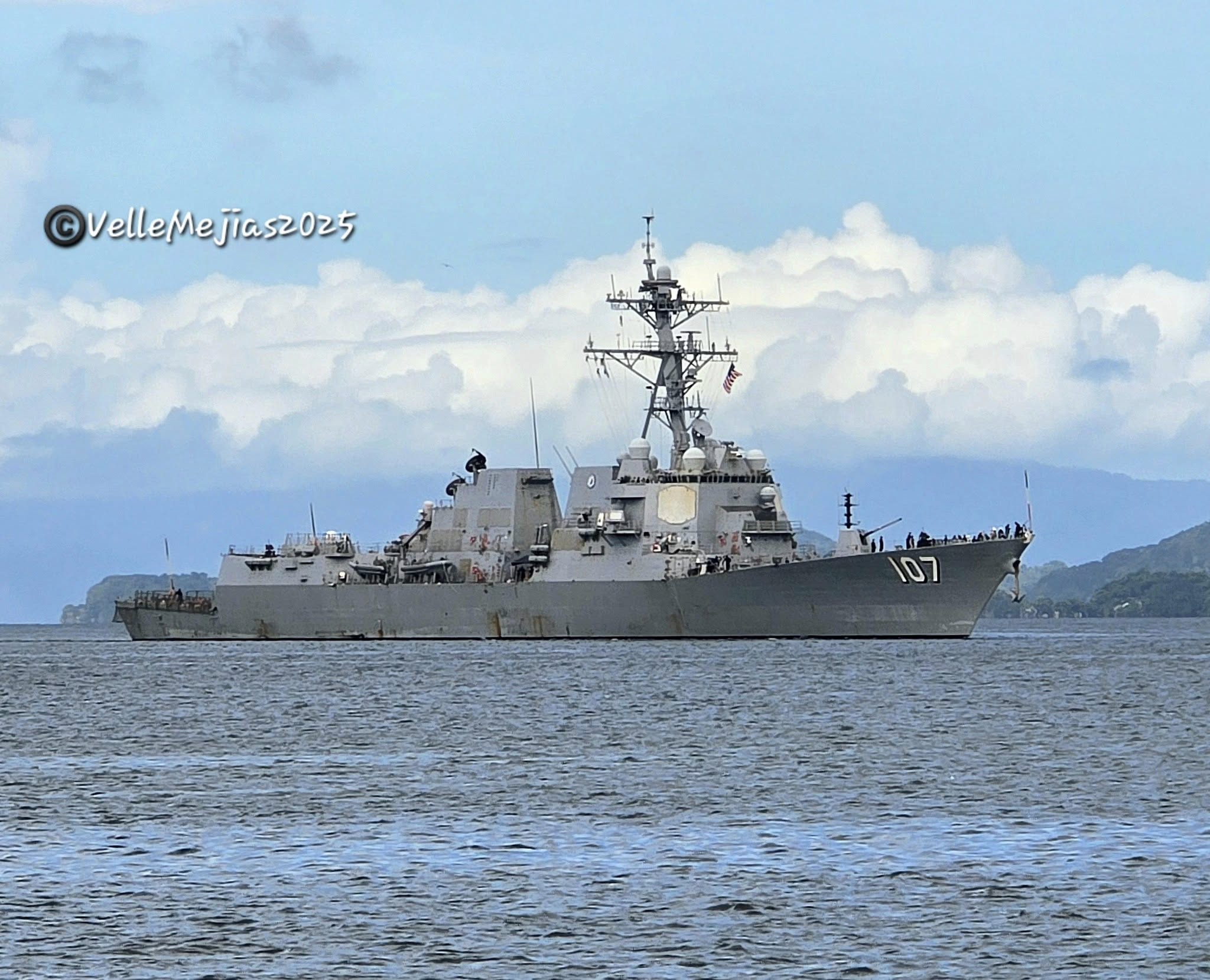
The U.S. has significantly ramped up its military presence in the Caribbean, including the deployment of its USS Gerald R. Ford aircraft carrier and other naval assets near Venezuela.
Reports also indicate increased interference with global navigation satellite systems (GNSS) in or around Venezuela, a factor that could complicate flight operations.
Furthermore, the FAA noted a surge in Venezuelan military readiness: troop mobilizations, military exercises, and other defensive posturing.
Of particular concern is the Venezuelan military’s capacity — it possesses advanced fighter jets and an array of air defense systems, which could pose a threat even at altitudes commonly used by civilian aircraft.
Broader Geopolitical Context
This aviation warning comes amid serious geopolitical friction:
In recent months, two Venezuelan F-16 fighter jets flew near a U.S. Navy destroyer in international waters — a move the Pentagon called “highly provocative.”
The Trump administration has also accused the Maduro government of facilitating drug trafficking through cartels operating in Venezuela, while conducting counter-narcotics operations in the Caribbean.
Meanwhile, U.S. airlines have suspended overflights of Venezuelan airspace, and the FAA is now demanding more rigorous pre-flight notifications and reporting.
Risks and Implications for Aviation
From a civil aviation perspective, the FAA’s advisory is a significant red flag:
1. Safety Risk: The alert suggests there could be “unidentified or evolving security hazards,” which may include electronic interference, air-defense activity, or even military misidentification.
2. Operational Burden: The 72-hour notice requirement adds an administrative layer that could dissuade airlines or private operators from planning overflights.
3. Insurance and Liability: Elevated risk might lead to increased insurance premiums for carriers flying in or near the affected airspace.
4. Strategic Pressure: The FAA’s warning underscores how geopolitical tensions are increasingly affecting commercial aviation — not just military planning.
Voices From the Field
Mary Schiavo, a former U.S. Department of Transportation inspector general, noted that while such NOTAMs are relatively common during conflicts, pilots “should take them seriously.”
She also cautioned that the current notice does not necessarily mean an attack on civil aviation is imminent, but that “the environment is risky enough for the FAA to issue a formal warning.”
What’s Next
Monitoring: The FAA will likely continue to closely monitor the security environment, especially given the advisory’s 90-day timeframe.
Diplomatic Pressure: The advisory may feed into broader U.S. diplomatic efforts to counter Venezuelan military posturing.
Airline Decisions: Some carriers may choose to avoid the region altogether, especially if risk or cost outweighs the benefits of overflight.
Aviation Safety Protocols: Operators in the region may need to review contingency plans, enhance crew briefings, and reinforce in-flight reporting procedures.
FAA Issues Security NOTAM Over Venezuelan Airspace Amid Rising Military Tensions








Leave a Reply