
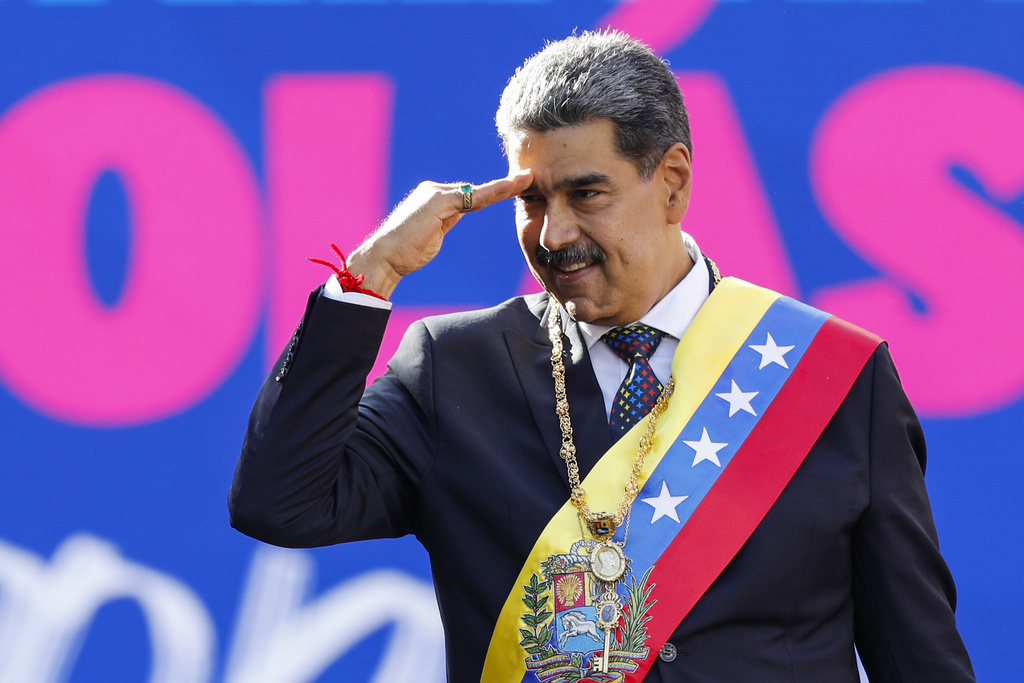
In a curtained-off room at Mar-a-Lago, surrounded by screens — including a live stream of posts on X, according to White House photos — President Donald Trump watched as elite U.S. Delta Force soldiers stormed the Caracas residence of Venezuelan President Nicolás Maduro, who was asleep beside his wife.
As Maduro attempted to retreat to his reinforced safe room, he was swiftly apprehended and taken into custody.
The raid marked the climax of a months-long operation whose objective had always been clear to those planning it: remove Maduro from power. Although Trump had at times expressed concern about potential blowback and the risk of a drawn-out conflict, he ultimately approved the mission in the days leading up to Christmas.
Poor weather delayed the operation for over a week. But once conditions improved, Trump — after an afternoon shopping trip for marble and onyx and dinner at the Mar-a-Lago patio — issued the final order at 10:46 p.m. ET.
“Good luck — and Godspeed,” he told the gathered national security officials.
Moments later, U.S. helicopters skimmed across the Caribbean at low altitude toward Caracas. Within hours, Maduro was in American custody — handcuffed, in gray sweatpants, and wearing blackout goggles — as shown in a photo Trump posted on Truth Social.
By Saturday, Trump announced that the United States would effectively oversee Venezuela’s future, offering few specifics and saying he was unafraid of the possibility of “boots on the ground.”
For a political movement shaped by frustration over decades of costly U.S. military interventions, the shift was striking. Trump downplayed what might follow, instead highlighting access to Venezuela’s vast oil resources and refusing to rule out a larger U.S. military role if Maduro’s allies refuse to step aside.
Privately, officials across Washington — including congressional staff and some of Trump’s own allies — voiced unease about the long-term implications, both for national security and politically, given the president’s weak approval ratings and a voter base wary of foreign entanglements.
Months in preparation
Alongside Trump in Florida were key drivers of the pressure campaign: Secretary of State Marco Rubio and senior adviser Stephen Miller, who dined with him hours before the mission and later joined him as he declared success.
Planning for the raid formally began in mid-December, sources told CNN, though the groundwork had been laid months earlier. Even before the U.S. launched its first strike in September on a suspected Venezuelan drug-running vessel, efforts to remove Maduro were underway.
While the U.S. visibly increased its military presence in the Caribbean, a quieter buildup occurred behind the scenes. In August, the CIA secretly deployed a team inside Venezuela to track Maduro’s movements, daily habits, and travel — intelligence that proved decisive when the operation was launched.
“They learned how he moved, where he lived, what he ate, what he wore — even what pets he had,” said Gen. Dan Caine, chairman of the Joint Chiefs of Staff.





Leave a Reply