
The Caribbean Sea has become the backdrop for a markedly escalated confrontation between the Venezuela government and the United States, as Caracas responds forcefully to what it describes as a U.S. military “buildup” in the region. Below is an overview of Venezuela’s actions, motivations, strategic posture and the broader implications of the standoff.
1. What is happening: U.S. military presence in the Caribbean
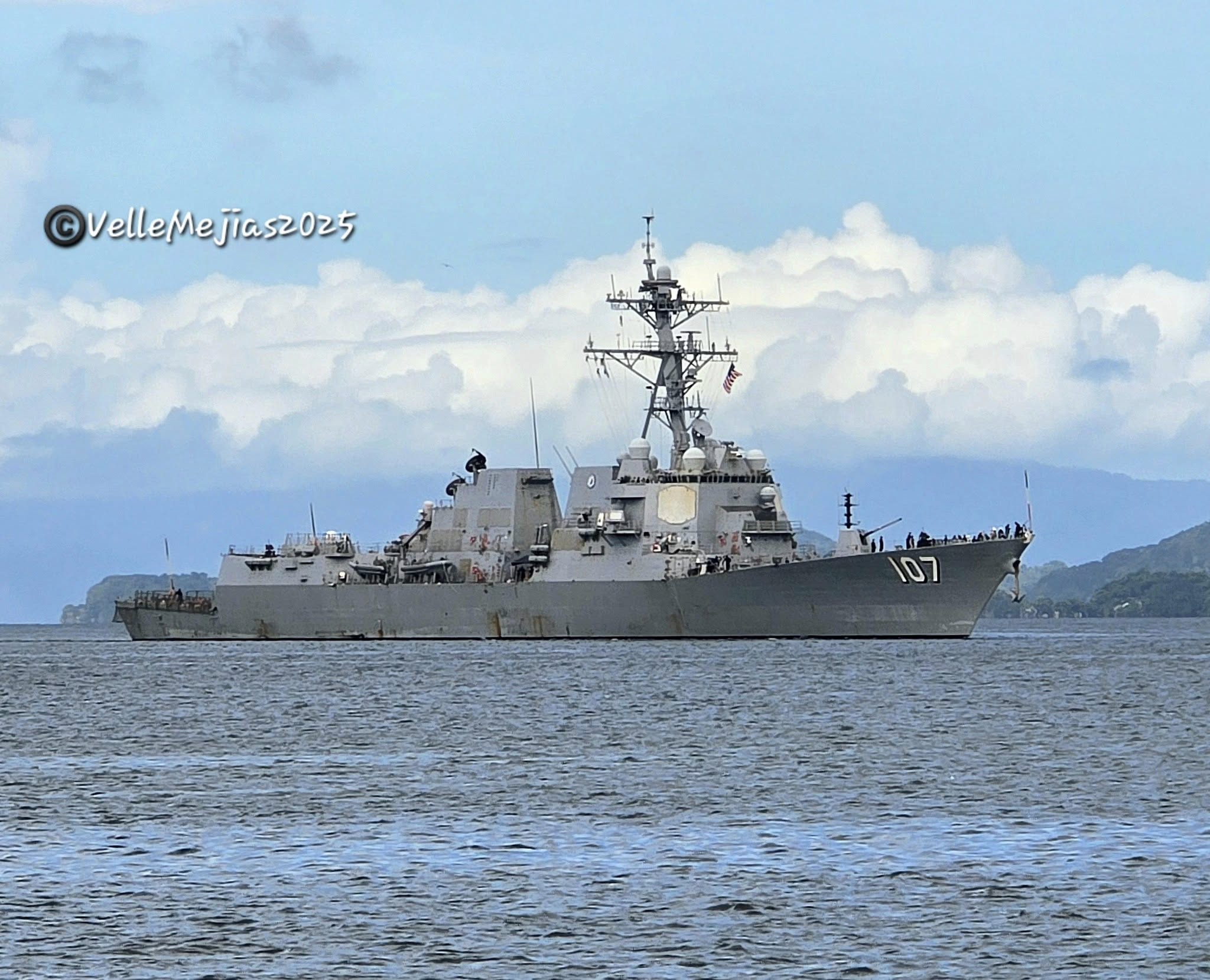
The U.S. has deployed a significantly enhanced military footprint in the southern Caribbean Sea — including warships (such as the USS Gerald R. Ford carrier strike group), submarines, fighter aircraft, and substantial troop and naval assets.
Part of this deployment is officially framed as a counter-narco-trafficking operation targeting vessels and routes in the Caribbean and off Venezuela’s coast.
At the same time, authorities in Venezuela and analysts are treating these deployments as a potential precursor to political or military pressure on Caracas — rather than purely anti-drug operations.
2. Venezuela’s official reaction and defence posture
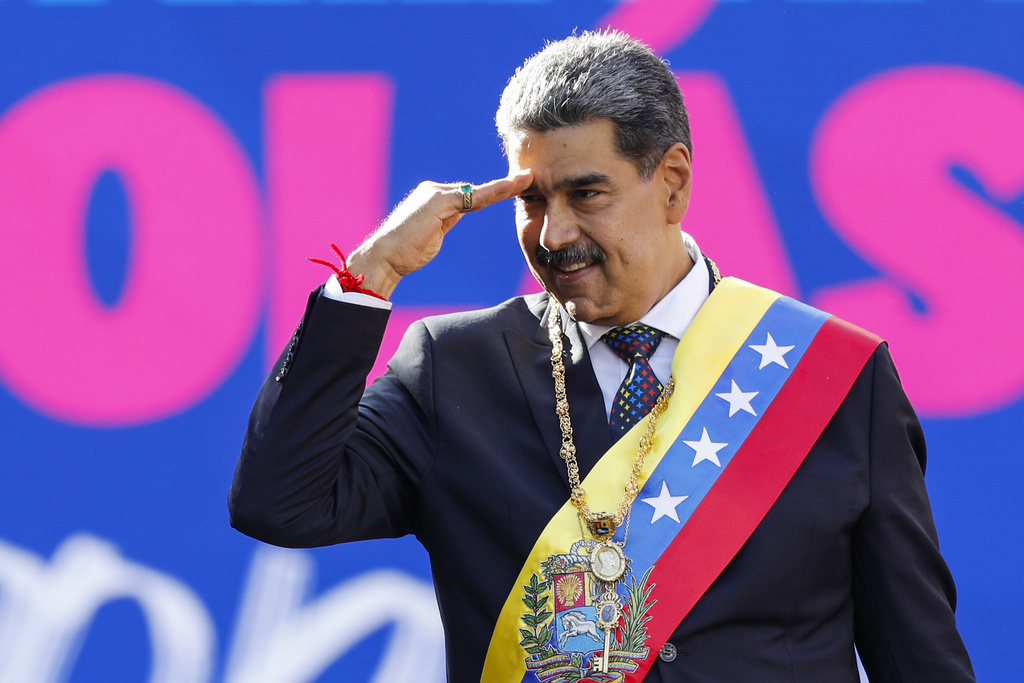
The Venezuelan government, under Nicolás Maduro, has declared a “massive mobilization” of troops, reserve forces, militia units and equipment across land, sea, air and riverine domains in response to the U.S. presence.
According to Venezuela’s defence minister, the mobilization involves nearly 200,000 personnel and activation of broader defence commands and law frameworks to coordinate civilian-military efforts.
Caracas characterises the U.S. deployment as an “imperialist threat” to its sovereignty and thus legitimises its military readiness and mobilisation under that premise.
As part of its strategy, Venezuela is publicly signalling that it is prepared to resist any invasion or incursion — including through asymmetric or guerrilla tactics if necessary.
3. Legal and political measures taken by Venezuela
The country’s legislative bodies (e.g., the National Assembly) have passed new defence-framework laws aimed at codifying stronger civil-military coordination, streamlined troop movements, and national defence readiness in the face of external threats.
President Maduro has declared a “state of external emergency” to allow the armed forces greater autonomy in deployment and operations against perceived external threats.
4. Strategic implications for Venezuela
By mobilising the military and issuing stern warnings, Maduro’s government is aiming both to deter what it sees as a possible U.S. intervention, and to rally domestic support around national sovereignty themes.
The posture also appears to signal to regional and global partners (such as Russia) that Venezuela expects external assistance and is prepared to resist.
On the flip side, Venezuela’s military capacity is under strain: the economy remains challenged, equipment is ageing, and sustaining large-scale mobilisations over time may expose logistical and readiness weaknesses.
5. Risks and regional fallout
The build-up of opposing military forces in proximate seas raises the risk of miscalculation, incident escalation, or unintended conflict — especially given Venezuela’s newly declared wartime readiness.
Venezuela’s strong rhetoric and readiness could embolden militia or paramilitary operations, or unsettle neighbouring states concerned about spill-over or unplanned confrontation.
Regionally, the tension complicates diplomatic and economic relations — with Venezuela using these dynamics to push narratives of sovereignty and external threat, and the U.S. asserting its strategic interests in the Caribbean basin.
6. What the near future may bring
Venezuela will likely continue military drills, readiness announcements, and mobilisation of reserve/militia elements as long as the U.S. presence remains elevated.
Diplomatic initiatives (e.g., appeals to international organisations, requests for support from allies) will likely be pursued by Caracas to counter the U.S. narrative.
The U.S., for its part, may maintain or even increase its Caribbean position — potentially eliciting further reactive measures from Venezuela.
Ultimately, the standoff may settle into a tense equilibrium — unless a triggering incident (maritime, airspace, or political) pushes the confrontation beyond rhetoric and readiness.
Venezuela’s Response to the U.S. Military Buildup in the Caribbean





Leave a Reply