
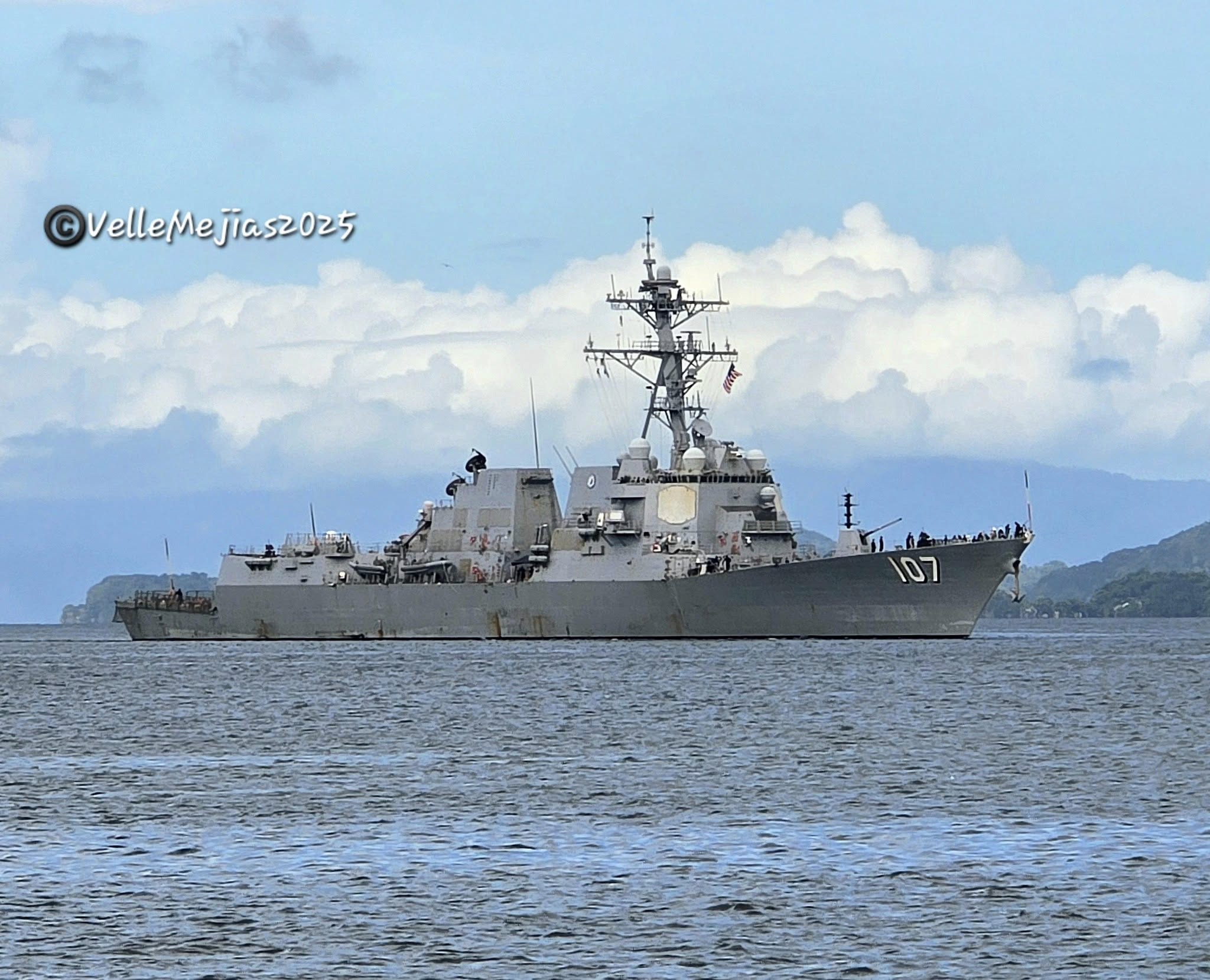
The United States Department of Defense (DoD) has announced a recent strike in the Caribbean Sea bringing further escalation to its maritime campaign against suspected drug-trafficking vessels, part of a broader effort launched earlier this year.
The Latest Strike
On November 6, the U.S. military conducted a “lethal kinetic strike” against a vessel in international waters of the Caribbean Sea, killing three men onboard, according to Pete Hegseth, U.S. Secretary of Defense.
Hegseth said the vessel was operated by a “Designated Terrorist Organization” and was “known by our intelligence to be involved in illicit narcotics smuggling.”
He added that no U.S. forces were harmed, and the strike would not be the last in the campaign. “If you keep trafficking deadly drugs – we will kill you,” Hegseth said.
Campaign Scale & Expansion
Since early September, the U.S. has carried out multiple strikes targeting vessels in the Caribbean Sea and the adjacent eastern Pacific Ocean. As of early November the death toll stands at at least 69 – 75 people from 14 – 20 separate strikes, according to multiple reports.
Originally focused near the coast of Venezuela, the campaign has widened to include the eastern Pacific shipping routes.
The strikes mark a shift in U.S. counternarcotics strategy: beyond interdiction and arrests by agencies such as the United States Coast Guard, the military is reportedly using lethal force in international waters, operating under the assertion that it is engaged in an “armed conflict” with drug-trafficking networks.
Legal & Regional Response
Legal experts and international organizations have raised serious concerns about the campaign. The United Nations Office of the High Commissioner for Human Rights called the strikes “unacceptable” and possibly in violation of international law, citing the absence of public evidence linking those killed to the alleged criminal activity.
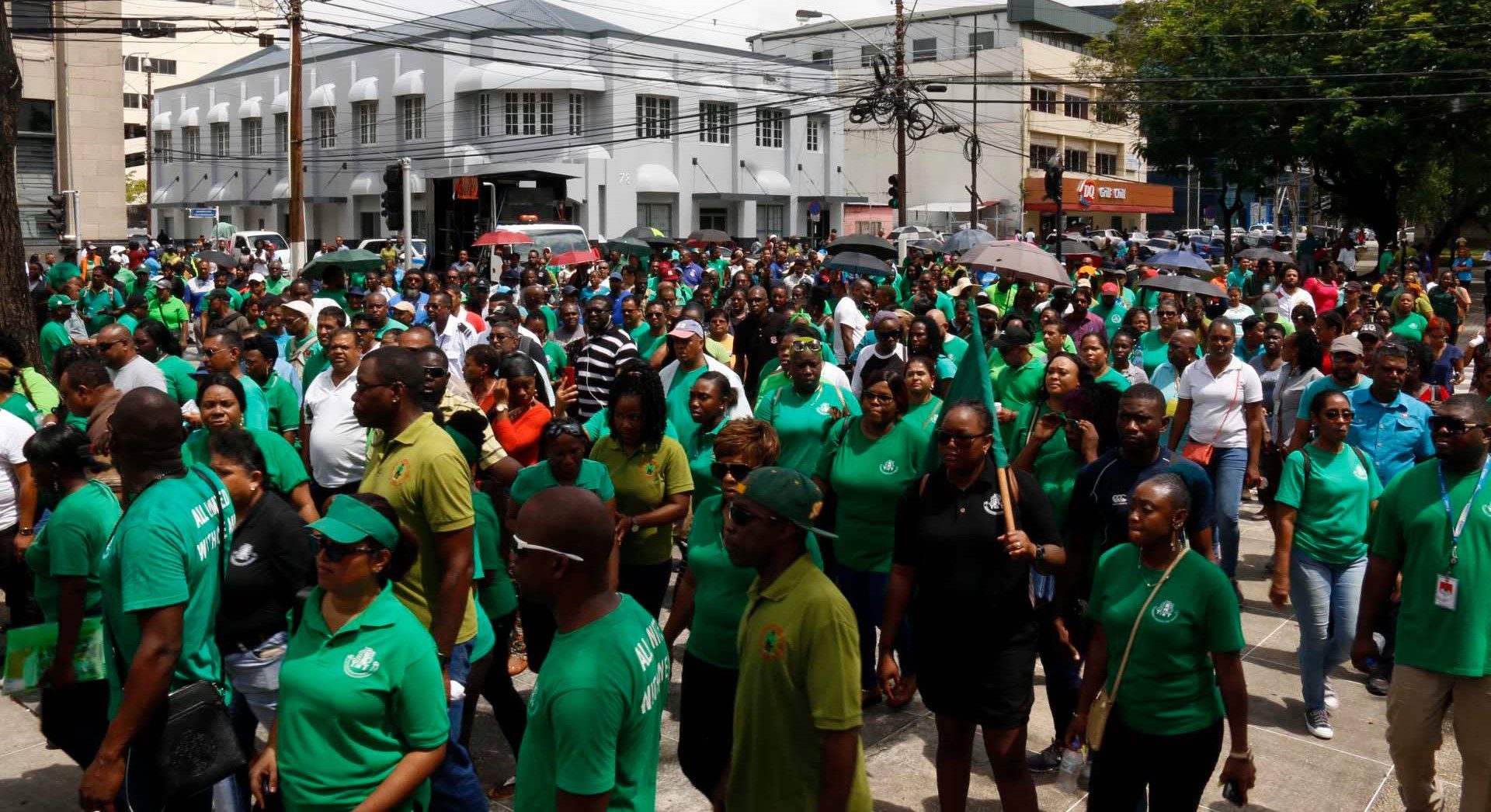
Trinidad and Tobago, though not directly accused in the latest strike, has been involved in the broader regional debate. A human-rights group in Trinidad and Tobago condemned a September strike that killed 11 people, noting the lack of disclosed justification and the potential impact on civilian maritime actors.
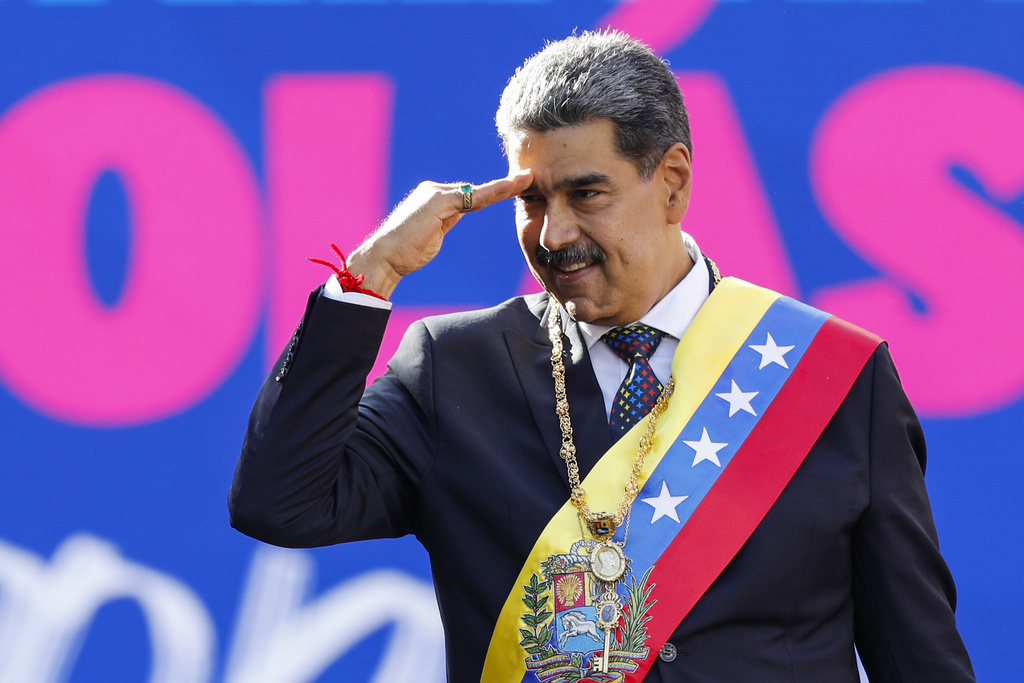
Meanwhile, neighboring countries such as Venezuela have accused the U.S. of using counternarcotics operations as a cover for regime-change ambitions.
What’s at Stake
Maritime routes & regional security: The Caribbean and adjacent Pacific waters are key trafficking routes for cocaine and other illicit drugs destined for the U.S. market. The U.S. says the strikes are necessary to disrupt these flows.
Precedent for use of force: Critics say the campaign sets a precedent for extrajudicial killings at sea of alleged traffickers who are not clearly combatants. The U.S. government’s position—that these are part of a “non-international armed conflict”—has been disputed.
Diplomatic risk: The operations increase tension between the U.S. and regional governments, raise questions about sovereignty, and may affect maritime commerce and local fishing communities.
Outlook
The U.S. signals that more strikes are planned unless maritime drug-trafficking operations are halted. Secretary Hegseth indicated that the military option will continue as long as traffickers pose what the U.S. defines as a threat to the homeland.
For regional actors, this means heightened vigilance in the Caribbean Sea and surrounding waters, potential shifts in alliances and maritime law enforcement, and increasing calls for transparency and oversight of U.S. military actions.
Conclusion
What started as a conventional interdiction strategy has escalated into a bold and controversial U.S. military campaign at sea. With dozens of deaths, multiple destroyed vessels, and mounting legal and diplomatic scrutiny, the stakes are high—not just for the traffickers and the U.S., but for the broader stability of the Caribbean maritime domain.
U.S. Military Escalates Lethal Strikes on Suspected Drug Traffickers in Caribbean Sea







Leave a Reply