
Arrival and context
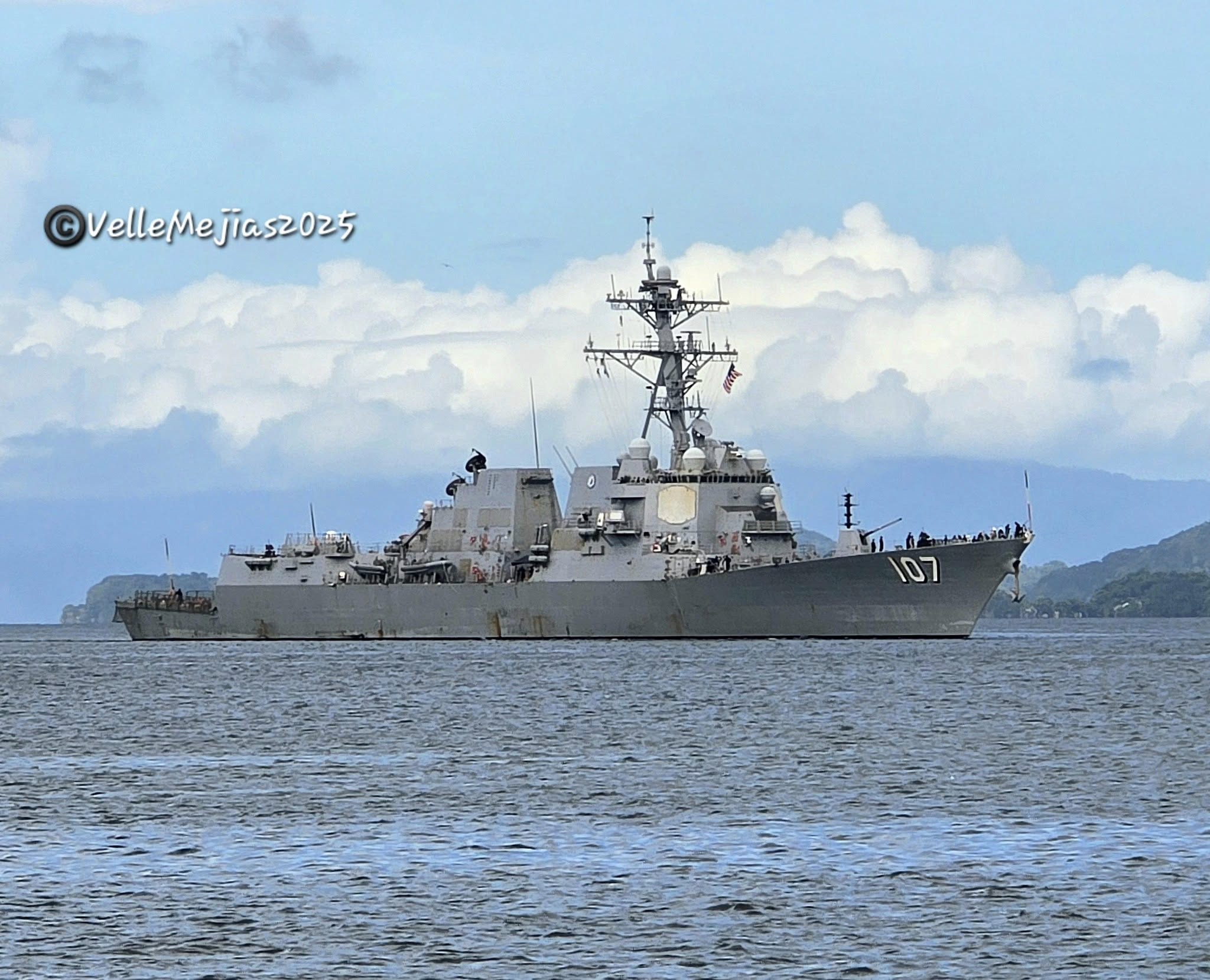
On Sunday, 26 October 2025, the U.S. Navy destroyer USS Gravely arrived in the port of Port of Spain, Trinidad and Tobago, for what has been described as a five-day visit that will include joint training exercises with the Trinidad and Tobago Defence Force.
According to regional and international press, this visit is part of a broader U.S. naval deployment in the southern Caribbean, aimed at bolstering maritime security and counter-transnational-crime efforts.
Purpose of the visit
The official purpose of the USS Gravely’s visit has been stated as “joint training exercises” with the Trinidad & Tobago Defence Force, focusing on shared threats such as trans-national criminal activity (including maritime drug trafficking) and building resilience through combined training.
The presence of the ship in Trinidad and Tobago also comes amid heightened U.S. concern about the Caribbean transit routes for illicit trafficking and the nearby regional tension with the neighbouring country of Venezuela.
Local reception and political dynamics
In Trinidad and Tobago, the visit has drawn mixed reactions:
- The Prime Minister, Kamla Persad‑Bissessar, has publicly supported the U.S. naval presence, citing regional security concerns and the need to partner with allies to address violent crime and trafficking.
- On the other hand, some local political voices and civil society groups have criticized the visit, viewing a major U.S. warship docking so close to Venezuela as provocative. For example, demonstrations took place outside the U.S. Embassy in Port of Spain, with one local leader describing the docking as “an abomination.”
- The neighbouring Venezuelan government condemned the visit, calling it a hostile provocation and a threat to Caribbean peace.
Strategic implications
- The visit is part of a wider U.S. naval buildup in the Caribbean region this year, which has included deployment of other major assets and expanded operations targeting maritime drug trafficking routes.
- For Trinidad and Tobago, it represents an opportunity to engage with a major military partner, potentially enhancing its maritime security capacity, surveillance, and response capabilities.
- However, the geopolitical dimension cannot be ignored: this deployment sends a message to regional actors (including Venezuela) about U.S. readiness to operate in nearby waters, which raises questions about sovereignty, regional tensions, and the balance between security partnership and domestic/public sentiment.
Local logistic details of the visit
The USS Gravely arrived escorted by tug boats and coast guard vessels at around 9:30 a.m. in Port of Spain. The ship is scheduled to remain in Trinidad and Tobago for five days, departing around 30 October 2025.
During its stay, U.S. Marines from the 22nd Marine Expeditionary Unit are expected to participate in the exercise.
What this means for citizens and stakeholders
- For citizens of Trinidad and Tobago, this port visit may bring increased visibility of maritime security operations, possibly more joint training activities, and opportunities for collaboration between the U.S. and local forces.
- For regional diplomacy, the event may act as a flashpoint for debate: is this purely a benign security partnership, or does it carry broader strategic signalling?
- For private stakeholders (ports, local services, business tied to the docking), the visit may bring some economic/operational effects (e.g., logistical services, port activity) though likely modest given the short duration.
A look ahead
Key questions to watch:
- What specific training modules will the USS Gravely conduct with the Trinidad & Tobago Defence Force, and how will these translate into longer-term capabilities?
- How will local public sentiment evolve — will there be further protests or calls for greater transparency about the nature and implications of the visit?
- Will this visit trigger further regional responses — either from Venezuela or from other Caribbean states concerned about militarisation or U.S. involvement?
- What will be the legacy of the visit in terms of bilateral relations (U.S.–Trinidad & Tobago) and regional security frameworks (e.g., through CARICOM)?










Leave a Reply